
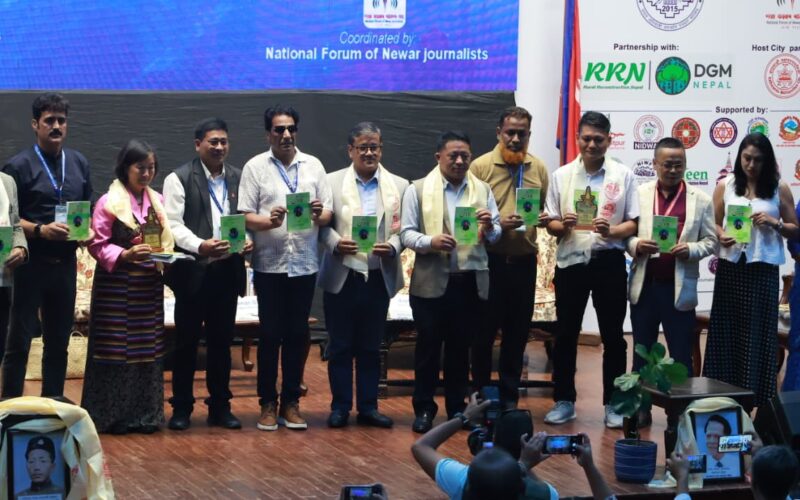
काठमाण्डौं, सावन २६ — समाजक सोच, व्यवहार आ संस्कृतिक प्रतिबिम्ब मिडिया मे देखाइ पडेला, एहिसे सञ्चारमाध्यम आ पत्रकार मनके आदिवासी जनजाति आ अपाङ्गता भइल मनइनक मुद्दा संवेदनशील आ समावेशी ढंगसे उठावे के जरूरत रहल बा, वक्ता मन कहले।
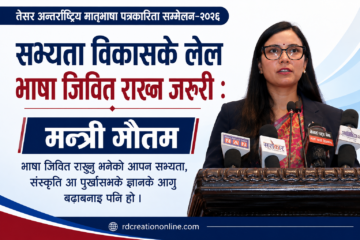
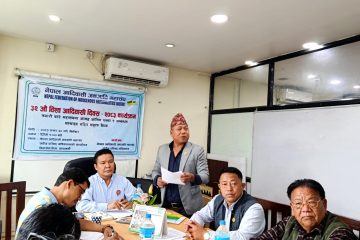
नेपाल आदिवासी जनजाति पत्रकार महासंघ (फोनिज) से आयोजित तेसर अन्तर्राष्ट्रिय मातृभाषा पत्रकारिता सम्मेलन–२०२६ के दोसर दिन “आदिवासी आ अपाङ्गता भइल व्यक्ति मनक सवाल : समावेशी सञ्चार खातिर सञ्चारकर्मी मनक भूमिका” विषय मे छलफल भइल। कार्यक्रम मे वक्ता मन समावेशी, अधिकारमुखी आ जिम्मेवार पत्रकारिताक आवश्यकता ऊपर जोड देहलन।
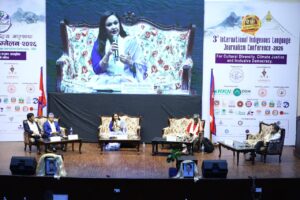
फोनिज संघीय अध्यक्ष लक्की चौधरी, सामुदायिक रेडियो प्रसारक संघ (अकोराब) नेपालक अध्यक्ष अर्जुन गिरी, क्रियाशील पत्रकार महिला संघक अध्यक्ष रेखा खड्का आ डा. प्रतिमा गुरुङ पत्रकारिता म विविधता, पहुँचयोग्यता आ समान प्रतिनिधित्व सुनिश्चित करे पर जोड देहलन। उ मन कहले कि सञ्चारमाध्यम हाशियामे परल समुदाय मनक आवाज प्रमुखतासे उठावे के चाही।
मातृभाषा पत्रकारितासँ जलवायु, कृषि आ डिजिटल युगक चुनौतीपर गहिर छलफल
काठमाण्डौं, सावन २६। नेपाल आदिवासी जनजाति पत्रकार महासंघ (फोनिज)क आयोजनामे चल रहल तेसर अन्तर्राष्ट्रिय मातृभाषा पत्रकारिता सम्मेलन–२०२६ दोसर दिन मातृभाषा पत्रकारितासँ जुडल जलवायु परिवर्तन, आदिवासी ज्ञान, कृषि, वन, खाद्य सुरक्षा, सञ्चारमाध्यम आ डिजिटल युगक चुनौती तथा अवसरपर व्यापक छलफल भइल।
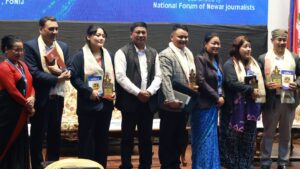
सम्मेलनक सत्र ४ मे जलवायु परिवर्तन, REDD+, आदिवासी ज्ञान प्रणाली, वन शासन, कार्बन वित्त आ मातृभाषा पत्रकारिताक भूमिकापर विज्ञ तथा पत्रकार मन विचार राखलन। सत्रमे किरण बराम, सुरेश तामाङ, साधना लिम्बू, नवराज पुडासैनी आ डा. प्रतिमा गुरुङलगायत सहभागी रहलन।
ओइसहीं सत्र ५ मे आदिवासी कृषि, खाद्य सुरक्षा, परम्परागत ज्ञान, वनसँ सम्बन्ध तथा मातृभाषा पत्रकारिताक भूमिकापर छलफल भइल। रेशम गुरुङ, डा. पासाङ दोल्पा शेर्पा, लक्ष्मण गुरुङ आ अमृत सुनुवारलगायत वक्ता मन आदिवासी ज्ञान आ परम्परागत अभ्यासके सञ्चारमाध्यममार्फत संरक्षण करेके आवश्यकता पर जोड देहलन।
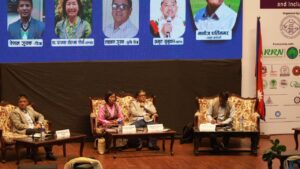
सत्र ६ मे सरकारी स्वामित्वक सञ्चारमाध्यम तथा निजी मिडियामे मातृभाषा पत्रकारिताक अवस्था, जातीय पत्रकार संगठनक प्रस्तुति आ अन्तर्राष्ट्रिय अनुभवपर छलफल भइल। सत्र ७ मे मुख्यधारक मिडियामे आदिवासी सवालके स्थान आ सञ्चारमाध्यमक भूमिकापर मिडिया संवाद आयोजित भइल।
ओनंहे सत्र ८ मे डिजिटल युगमे मातृभाषा पत्रकारिताक चुनौती आ अवसर, कृत्रिम बुद्धिमत्ता (AI), सामाजिक सञ्जाल, विदेशी पत्रकार मनक अनुभव आ सरकारी नीतिपर छलफल भइल। सत्रमे डा. श्रीराम पौडेल, अरुण बराल, बालकृष्ण बल, बिन्दा मगर आ यशोकान्ति भट्टचनलगायत सहभागी रहलन।
सावन २७ गते नीतिगत पहल आ मिडिया आचारसंहितापर छलफल
सम्मेलनक तेसर दिन सत्र ९ मे मातृभाषा पत्रकार मनक समस्या तथा नीतिगत पहल, आठ आदिवासी/जातीय पत्रकार संगठनक कार्यपत्र तथा अन्तर्राष्ट्रिय अभ्यास आ अनुभव प्रस्तुत होई। सत्रमे डा. मुक्तसिंह लामा, डा. घमराज लुइटेल, प्रेस रजिस्ट्रार रेभती सापकोटा आ रश्मिला प्रजापतिलगायत वक्ता मन सहभागी होई।
सत्र १० मे मातृभाषा पत्रकारिता, जलवायु परिवर्तन, वन व्यवस्थापन तथा आदिवासी राष्ट्रियताप्रति राज्यक दृष्टिकोण आ कार्यान्वयनपर छलफल होई। त्यसपछि सत्र ११ मे प्रेस काउन्सिल नेपालक प्रस्तुतिसहित मिडिया आचारसंहितापर छलफल होई।
सम्मेलनक समापन समारोह सावन २७ गते दिनके २:३० बजे होई। समापन समारोहमे काठमाडौं घोषणापत्र सार्वजनिक, सम्मेलन प्रतिवेदन प्रस्तुति, स्मारिका विमोचन, फोनिज अवार्ड प्रस्तुति तथा रात्रिभोज कार्यक्रम आयोजना होई।
Media Should Reflect Inclusive Voices of Indigenous and Persons with Disabilities: Speakers
Kathmandu, August 11 — Speakers at the 3rd International Indigenous Language Journalism Conference 2026 have emphasized that media reflects society’s values and perspectives, urging journalists and media organizations to give greater attention to the issues of Indigenous peoples and persons with disabilities.
Speaking during a session on “Indigenous Peoples and Persons with Disabilities: The Role of Journalists in Promoting Inclusive Communication,” presenters highlighted the importance of rights-based and inclusive journalism. They stressed that media professionals should ensure fair representation, challenge stereotypes, and amplify the voices of marginalized communities.
Among the speakers were Lucky Chaudhary, Federal Chairperson of FoNIJ; Arjun Giri, President of ACORAB Nepal; Rekha Khadka, President of the Working Women Journalists Association; and Dr. Pratima Gurung. They underlined the need for responsible reporting that promotes diversity, accessibility, and social inclusion in the media sector.
The conference, organized by the Federation of Nepalese Indigenous Nationalities Journalists (FoNIJ), has brought together journalists, media experts, and representatives from various countries to discuss the future of Indigenous language journalism and inclusive communication.
Mother Tongue Journalism Conference Discusses Climate, Agriculture, Digital Media and Policy
Kathmandu, August 11. The 3rd International Mother Tongue Journalism Conference–2026, organized by the Federation of Nepalese Indigenous Nationalities Journalists (FoNIJ), continued with extensive discussions on climate change, Indigenous knowledge, agriculture, forests, food security, mainstream media, digital journalism and policy initiatives.
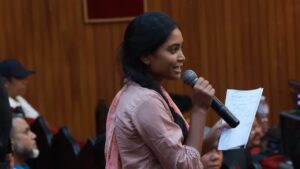
During Session 4, participants discussed climate change, REDD+, Indigenous knowledge systems, forest governance, carbon finance and the role of mother tongue journalism. Speakers including Kiran Baram, Suresh Tamang, Sadhana Limbu, Navaraj Pudasaini and Dr. Pratima Gurung shared their views and experiences.
Session 5 focused on Indigenous agriculture, food security, traditional knowledge, relationships with forests and the role of mother tongue journalism. Speakers emphasized the importance of preserving Indigenous knowledge, traditional practices and cultural heritage through journalism and communication.
The conference also discussed the status of mother tongue journalism in government-owned and private media. Participants highlighted the need for greater representation of Indigenous communities and their issues in mainstream media.
During Session 7, media professionals discussed Indigenous issues in mainstream media, while Session 8 focused on the challenges and opportunities of mother tongue journalism in the digital age, including artificial intelligence (AI), social media, international experiences and government policy.
On August 12, the conference will focus on issues faced by mother tongue journalists, policy initiatives, international practices, climate change, forest management and state perspectives on Indigenous nationalities. A separate session will also discuss media ethics with a presentation from the Press Council Nepal.
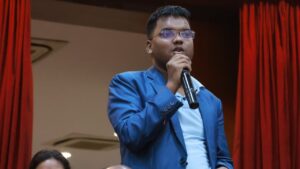
The conference will conclude on August 12 at 2:30 PM with the official release of the Kathmandu Declaration, presentation of the conference report, launch of a souvenir publication, FoNIJ Awards, and a dinner program.